How to discover new music worth hearing
Finding music that is actually new to you
Discovering new music worth hearing means going beyond whatever a streaming algorithm queues up next and actively tracing music through people, credits, and context, the producers, labels, and human recommenders behind the songs you already love, rather than waiting for a recommendation feed to surface something.
Why algorithm-only discovery runs out of road
Spotify's Discover Weekly, YouTube's autoplay, and Apple Music's For You all work the same basic way: they find listeners with similar taste profiles and serve you what they liked, or they chain songs by audio similarity. That works well for finding more of what you already listen to, and it works badly for finding something genuinely different, because the system is optimized to keep you listening, not to stretch your taste. The result, for most people, is a comfortable loop, new songs that sound like slightly newer versions of old favorites. Actually discovering new music means deliberately stepping outside that loop using methods a recommendation engine can't replicate.
Follow the people behind the music, not just the artist
One of the most reliable discovery methods is reading credits, literally checking who produced, wrote, mixed, or featured on a song you like, then following that person's other work. If you like a Frank Ocean track, checking who mixed it leads to other records that share its spatial, unhurried mix style. If a song's credits show a specific songwriter-for-hire, that name often turns up on records across completely different genres, because producers and writers move between artists in ways listeners rarely notice. Labels work the same way: an independent label with a clear identity, like Stones Throw or 4AD historically, tends to sign artists who share some sonic DNA, so one loved album is often a map to five more from the same roster.
Use human recommendation deliberately
Algorithms model behavior; people model taste, and the two aren't the same thing. A friend who knows your specific taste can recommend a record an algorithm would never surface, because they understand context an algorithm can't see, that you liked an album for its lyrics, not its production, for instance. Beyond friends, there are a few reliable human-curated sources:
- Reddit, genre-specific subreddits (r/indieheads, r/hiphopheads, r/jazz) run recurring recommendation threads where real listeners argue about records, which surfaces context an algorithm strips out.
- Music critics and outlets, professional reviewers listen for craft and context, not just what's trending, which is exactly the blind spot a personalization algorithm has.
- College and independent radio, human DJs sequencing a show by ear tend to place unfamiliar songs next to familiar ones in ways that make the unfamiliar one land.
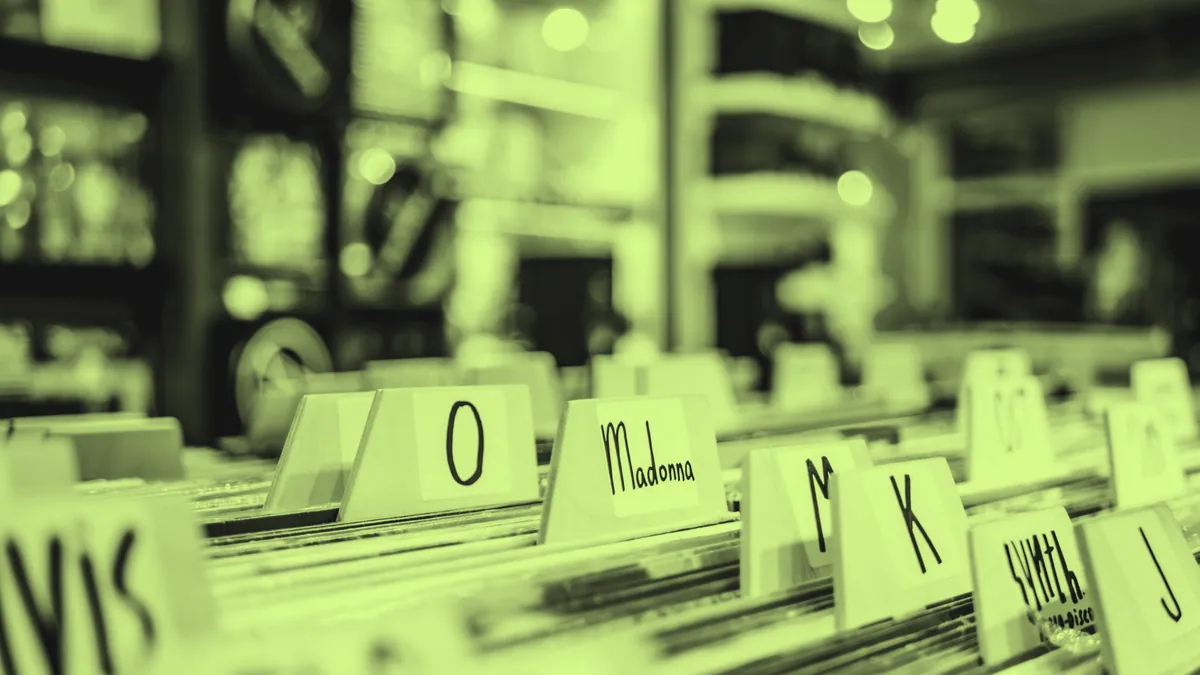
- Record store staff and staff-pick shelves, where they still exist, these picks reflect a specific person's ear, not aggregate behavior.
Watch the support act and the credits at a show
Live music is one of the most underused discovery channels. Opening acts are booked deliberately, often by a headliner's own management or label, because the pairing makes sense, hearing an opener before a favorite artist is a fast way to find something adjacent that a streaming feed hasn't caught up to yet. The same logic applies to festival lineups: an unfamiliar name on a small side stage is frequently a fully formed artist that algorithms haven't widely surfaced, because live buzz moves faster than streaming data.
Use the platforms without letting them use you
Spotify, YouTube, SoundCloud, and Apple Music are still useful for discovery, the trick is using their features deliberately rather than passively accepting the default feed. On Spotify, digging into "Fans also like" on an artist's page, or following a producer's own profile rather than just an artist's, surfaces different material than the homepage does. YouTube's algorithm responds strongly to watch time on full uploads rather than short clips, so deliberately watching full live sets or full-album uploads trains it toward better suggestions. SoundCloud remains one of the few major platforms where unsigned and independent artists post directly, without a label's marketing budget shaping what surfaces, which makes it worth a periodic browse through genre tags rather than only the algorithmic feed.
Give new music a real second listen
Most discovered music dies on a first listen, not because it's bad but because active listening, actually following what a song is doing rather than half-hearing it, takes more than one pass to pay off, especially for anything structurally unfamiliar. A song that sounds thin or strange the first time can open up entirely on a second listen once your ear knows roughly where it's going. The habit that separates people who discover a lot of new music from people who don't isn't a better algorithm or a better app, it's giving unfamiliar songs the same second and third chance you'd give a friend's strong recommendation, instead of skipping after fifteen seconds because nothing grabbed you immediately.