A list of the main music genres, with what each one sounds like
The main music genres, and how each one sounds
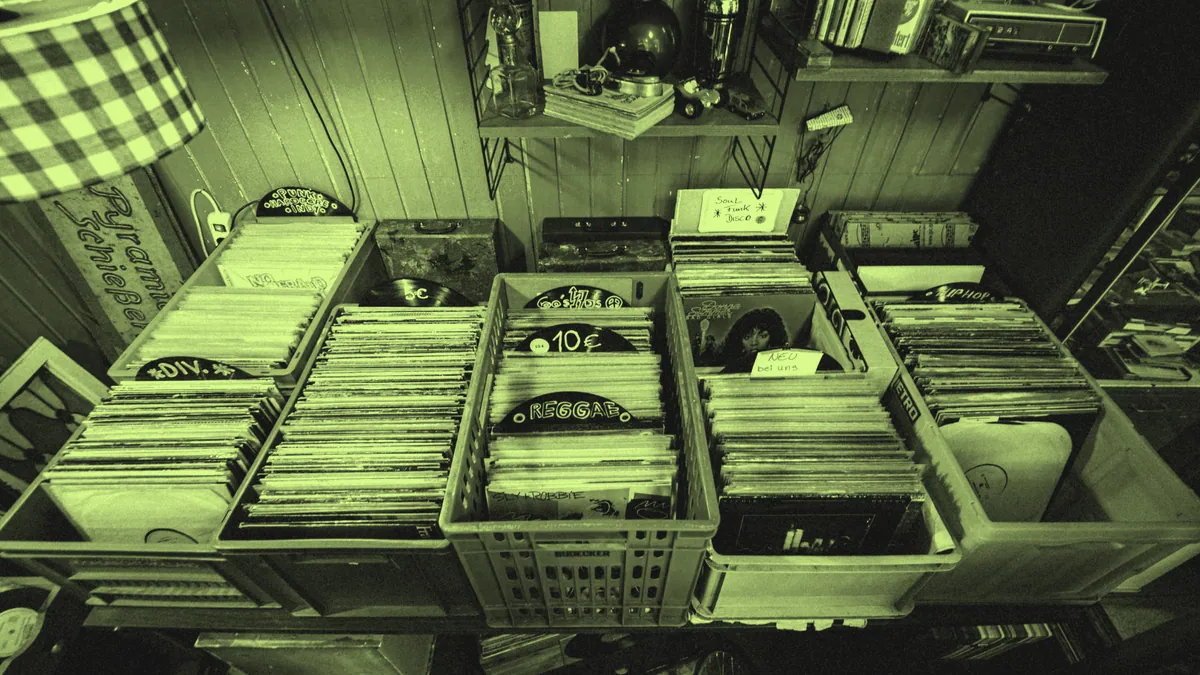
A list of music genres is a map of the major sound families that recorded music falls into, organized here by what each one actually sounds like, not just its name, so you can match a song you're hearing to the tradition it comes from.
There is no single official list; different catalogers draw the lines slightly differently. What follows covers the genres people search for most and search for a reason: they are the ones that dominate radio, streaming, and everyday conversation about music.
Why humans respond to genre in the first place
Why do people like music is a bigger question than genre alone can answer, but genre plays a specific role in it: familiar rhythmic and harmonic patterns let the brain predict what is coming next, and a small, well-timed deviation from that prediction is where a lot of musical pleasure lives, a chord that resolves unexpectedly, a beat drop that lands a half-second late. Genre gives listeners a reliable set of expectations to have in the first place. Once you know a song is reggae, your ear expects the offbeat guitar chop; once you know it is a blues, you expect the bent, "sad-sounding" note over the fourth chord. That match between expectation and payoff, repeated across thousands of songs in the same style, is a large part of what makes a genre feel good to return to, the same reason people reach for the same restaurant cuisine or the same instantly recognizable smell of a familiar place; the brain enjoys correctly predicting a strong sensory pattern.
The genres that shape the mainstream
These are the styles that get the most everyday listening in the US and drive most of what people mean when they say "what kind of music do you like":
| Genre | What it sounds like | Listen for |
|---|---|---|
| Pop | Polished, hook-driven, built for instant catchiness | A chorus melody you can hum after one listen |
| Hip-hop / rap | Rhythmic spoken-word vocals over a looped or programmed beat | Wordplay, flow, and the beat's sample or drum pattern |
| R&B | Groove-centered, vocally expressive, rooted in soul and gospel | Vocal runs, tight rhythm section, smooth chord movement |
| Country | Storytelling lyrics, twangy guitar or steel guitar, straightforward rhythm | A narrative verse and a "down-home" vocal accent |
| Rock | Electric guitar, bass, drums, verse-chorus structure | Guitar riffs and a driving backbeat |
| Electronic / dance | Synthesizer and drum-machine built, steady dance tempo | A repeating beat built to be danced to, not sung along with |
What pop actually is
Pop music genre is best understood as a function rather than a fixed sound: pop is whatever style is currently popular, reshaped into short, hook-forward songs meant to appeal broadly. That is why pop in 1985 (synth-heavy, drum-machine driven, think Madonna) sounds almost nothing like pop in 2005 (glossy R&B-pop, think Rihanna) or pop today (trap-influenced, Auto-Tune-laced, think Olivia Rodrigo), the genre absorbs whatever is current and compresses it into a catchy, radio-ready shape. What stays constant is the structure: short verses, a big chorus, and production polished to sound good on a phone speaker as easily as a car stereo.
What jazz sounds like, and why it's different from everything above
What does jazz sound like is one of the most-asked genre questions because jazz breaks the "predictable pattern" rule the mainstream genres rely on. Jazz is built on improvisation over a chord structure, a band agrees on a set of chords and a melody (a "standard" like "Autumn Leaves" or an original composition), and then musicians take turns inventing new melodic lines over those chords in real time. That is why two recordings of the same jazz tune, even by the same musician, rarely sound identical. Listen for a "swing" rhythm feel (uneven, loping eighth notes instead of straight ones), extended chords that sound more colorful or unresolved than pop chords, and a soloist, a saxophone, trumpet, or piano, stepping forward to improvise while the rhythm section (bass, drums, and often piano or guitar) holds the harmony underneath. Miles Davis's "Kind of Blue" and John Coltrane's "A Love Supreme" are the two records most commonly used to introduce new listeners to what jazz is doing.
Roots genres: blues, soul, country, and reggae
Several genres on any list trace almost every other genre back to their origin, and knowing their basic sound cues explains a lot of what you hear elsewhere:
- Blues is built on a 12-bar chord structure and a "blues scale" that bends notes between major and minor, giving it its characteristic mournful or gritty sound. Muddy Waters and B.B. King are the reference points; rock, soul, and country all inherited blues phrasing.
- Soul takes blues' emotional phrasing and gospel's vocal power and channels it into tightly arranged songs with horn sections and a steady groove, Aretha Franklin and Otis Redding are the classic sound.
- Country pairs plainspoken, narrative lyrics with acoustic and steel guitar, descended from Appalachian folk and blues; Johnny Cash and Dolly Parton anchor the classic sound, Chris Stapleton and Kacey Musgraves the modern one.
- Reggae comes out of Jamaica in the late 1960s, built on a relaxed "one-drop" drum pattern and an offbeat guitar "skank", Bob Marley is the genre's most recognized voice worldwide.
Latin genres, told apart by rhythm
A latin music genres list is really several distinct rhythmic traditions grouped under one umbrella by language rather than sound. Salsa (Cuban- and Puerto Rican-rooted, built on the clave rhythm, driven by horns and piano montunos) sounds nothing like reggaeton (built on the dembow beat, closer in DNA to hip-hop and dancehall) or bachata (guitar-driven, from the Dominican Republic, built for slow partner dancing). Bad Bunny and Karol G represent the current reggaeton-pop wave; Celia Cruz and the Buena Vista Social Club represent classic salsa and son.
Reading the rest of the map
Beyond these anchor genres, classical (notated, orchestral or chamber composition spanning centuries, see the classical music page for its own map), electronic (synthesizer- and studio-built music branching into house, techno, and ambient), and world/traditional genres (region-specific instruments and scales, from West African highlife to Indian classical raga) round out the picture. The fastest way to place any new song is the same across all of them: listen first for the rhythm and tempo, then the lead instrument or voice, then whether the harmony is simple and repeating or complex and shifting, that sequence gets you to the right genre family almost every time.