What is country music? Its story and its sound
What country music is
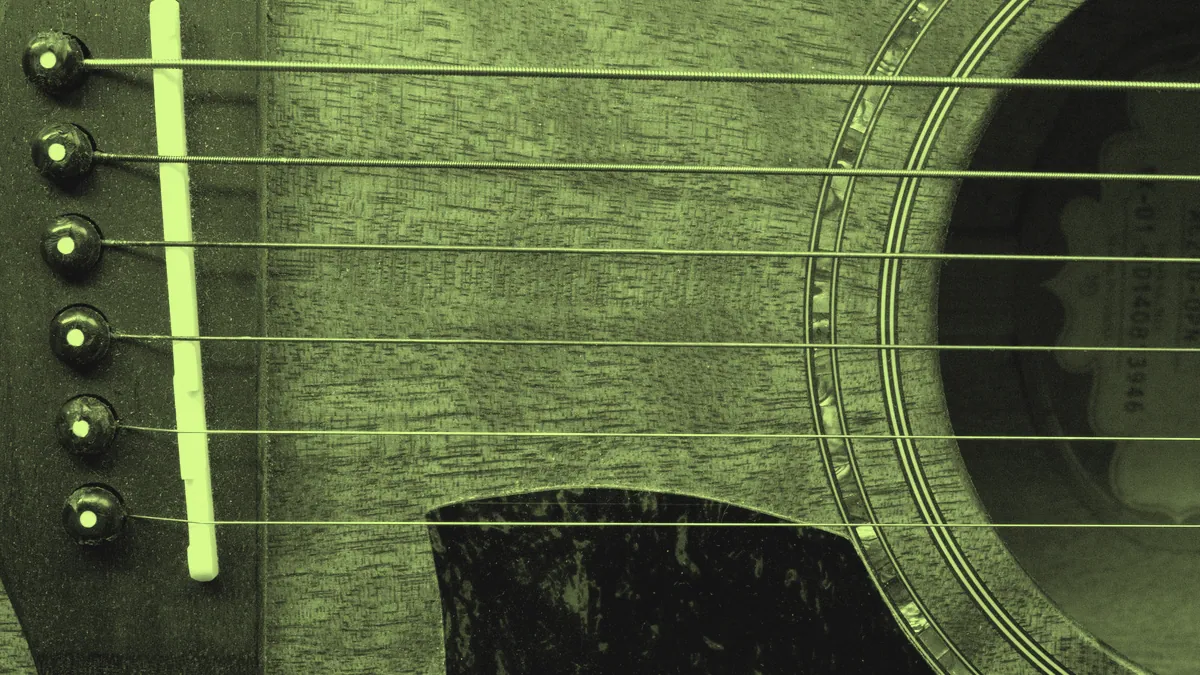
Country music is a genre built on storytelling lyrics, roots in Southern and Appalachian folk and blues traditions, and a sound historically centered on acoustic and steel guitar, fiddle, and a plainspoken vocal delivery, a style that formalized in the American South in the 1920s and later grew into a full commercial industry centered in Nashville.
Its sound has shifted a lot since then, from string-band recordings to today's radio-friendly, sometimes rock- or pop-inflected productions, but the throughline is a focus on narrative: country songs are, more than almost any other mainstream genre, about telling a specific story.
Where country music came from
Country's roots run through two main sources: the ballad and folk traditions brought by Scottish, Irish, and English settlers into Appalachia, and the blues traditions of Black Southern musicians, whose guitar phrasing and chord vocabulary shaped early country string-band music more than the genre's history has always acknowledged. Those two threads combined in the 1920s, when radio and early commercial recording turned regional folk music into a marketable genre, the Carter Family and Jimmie Rodgers are usually credited as the foundational acts, blending Appalachian harmony singing with blues-inflected guitar and yodeling. From there, honky-tonk brought a harder, bar-band edge in the 1940s and 50s with artists like Hank Williams, and Nashville grew into the genre's commercial and creative center, home to the labels, session musicians, and songwriters (the "Nashville sound") who professionalized country production starting in the late 1950s.
What country music actually sounds like
Traditional country centers on acoustic guitar, steel guitar (which gives country its signature bending, weeping tone), fiddle, and often banjo, backing a vocalist singing in a clear, conversational, often regionally accented style. The steel guitar in particular is one of the most recognizable markers of the genre, that sliding, vocal-like whine comes from a pedal steel or lap steel guitar and shows up across almost every era of country, even as other instrumentation has changed. Lyrically, country leans hard on narrative and specificity: a song about a particular truck, a particular breakup, a particular hometown, rather than the more universal, deliberately vague lyrics common in pop. That specificity is part of what makes a country song feel like it's telling you something that actually happened, even when it didn't.
How the sound has branched over time
Like most long-running genres, country has split into several distinct subgenres, each shaped by a different influence pulling on the original sound.
| Subgenre | Era | What shaped it |
|---|---|---|
| Honky-tonk | 1940s, 50s | Bar-band energy, steel guitar, working-class themes |
| Nashville sound / countrypolitan | Late 1950s, 60s | Smoother production, strings, pop-influenced polish |
| Outlaw country | 1970s | A reaction against Nashville polish, rougher and more independent |
| Country rock | 1970s onward | Electric guitars and rock rhythm section grafted onto country songwriting |
| Contemporary / pop-country | 1990s, today | Radio-ready production, sometimes closer to pop or rock than earlier country |
Artists like Willie Nelson and Waylon Jennings led the outlaw country pushback against Nashville's polished production, while acts from the Eagles to Garth Brooks show how thoroughly country and rock have cross-pollinated over the decades. Modern mainstream country continues that trend, often layering rock guitar or pop production over otherwise traditional country songwriting and vocal style.
Why country music draws such strong reactions
Country is one of the more polarizing genres in American music, and the reasons are more cultural than musical. Some listeners associate it with a specific regional and political identity and dismiss it on those grounds without engaging with the songwriting itself; others find its storytelling and directness exactly why they love it. That divide has existed for decades and tends to soften once a listener actually spends time with the genre's range, the plainspoken grief of a Hank Williams recording, the sharp humor of a Dolly Parton lyric, or the narrative detail of a story song built around one specific, vividly drawn character sound very different from the version of "country" people sometimes imagine secondhand. The people who love country music tend to point to exactly that narrative specificity and emotional directness as the draw, the same qualities that make folk music appealing, since the two genres share so much DNA.
Well-told stories in song, and where to start listening
Country's strongest songs are often built entirely around a single vivid story, which makes them a good entry point for a new listener. Dolly Parton's "Jolene" and "Coat of Many Colors" show her range as both a sharp lyricist and an emotionally direct storyteller. Johnny Cash's "Folsom Prison Blues" and his American Recordings sessions demonstrate country's darker, more stripped-down narrative side. Loretta Lynn's autobiographical songwriting, especially "Coal Miner's Daughter," turns a specific life into a specific song rather than a generic sentiment. For a starting playlist: Patsy Cline for the Nashville sound's emotional peak, Willie Nelson's Red Headed Stranger for outlaw country's narrative ambition, and Kacey Musgraves' Golden Hour for a modern example of country stretching toward pop without losing its storytelling core.