What is electronic music? From synths to the dancefloor
What electronic music is
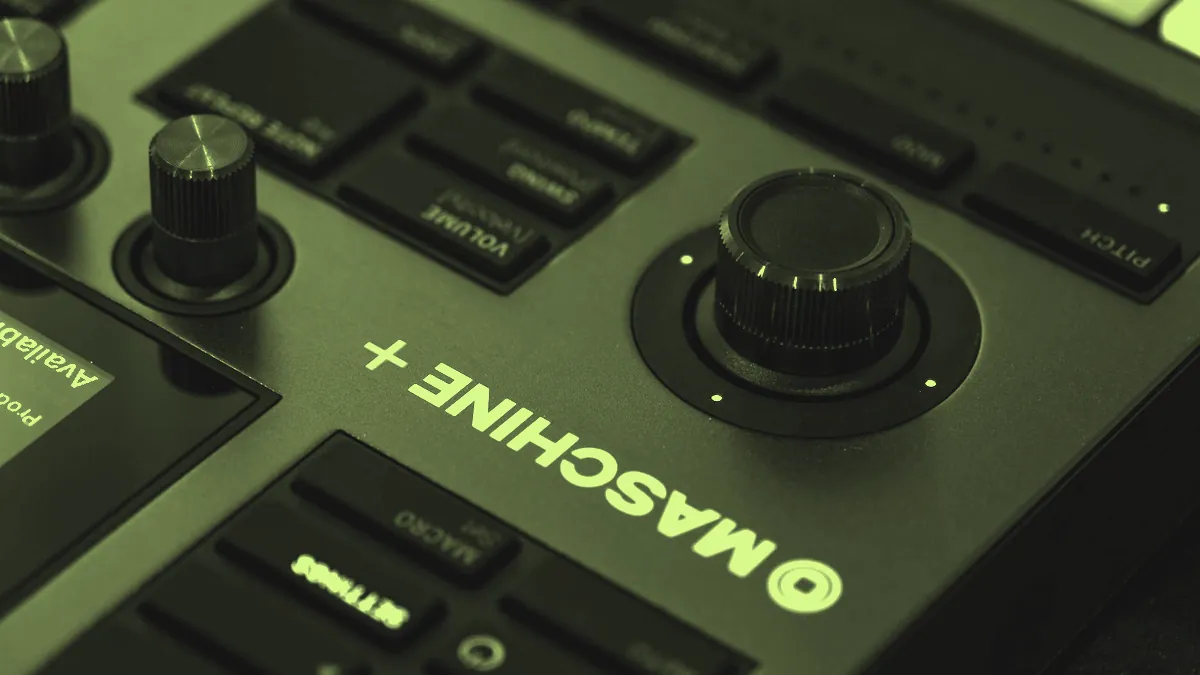
Electronic music is any music made primarily with electronic instruments and technology, synthesizers, drum machines, samplers, and computers, rather than acoustic instruments played and recorded live.
It is less a single sound than an umbrella covering everything from ambient, near-beatless soundscapes to the loudest, most physical dancefloor music on earth, unified by how it's made rather than by any one tempo, mood, or scene.
What actually makes music "electronic"
The defining feature is the source of the sound. A synthesizer generates tone electronically, through oscillators, filters, and envelopes, instead of a string vibrating or air moving through a horn. A drum machine or sequencer programs rhythm rather than a drummer playing it. A sampler takes a sound (a vocal snippet, a horn stab, a vinyl crackle) and lets a producer trigger and manipulate it like an instrument. Because all of this happens inside electronics or software, electronic music has a structural freedom acoustic instruments don't: tempo can be locked with machine precision, a sound can be stretched, pitched, or layered without physical limits, and an entire track can be built by one person in a studio or bedroom with no other musicians present at all.
How electronic music actually gets made
The core building process, whether the result is ambient or a stadium-filling dance track, follows a few consistent stages. A producer typically starts with a drum pattern or a bassline programmed in a sequencer, then builds synthesizer sounds by shaping raw waveforms, sawtooth, square, sine, with filters that cut or boost frequencies to sculpt a tone from harsh to warm. Samples, whether from old records, field recordings, or vocal takes, get chopped, pitched, and rearranged. Layers get built up track by track inside software (a digital audio workstation like Ableton Live or Logic Pro is the modern standard), and the final structure is arranged around builds, drops, and breakdowns rather than the verse-chorus form most other genres use. This studio-first, no-band-required workflow is why electronic music has produced so many genre-defining solo artists and duos, Aphex Twin, Kraftwerk, Daft Punk, rather than bands in the traditional sense.
The main branches of the genre
Electronic music splits into distinct subgenres mostly by tempo, rhythm pattern, and intended setting. The table below covers the branches most listeners actually encounter:
| Subgenre | Typical tempo/feel | Where you'd hear it |
|---|---|---|
| House | ~120-128 BPM, four-on-the-floor kick | Clubs, festivals; roots in 1980s Chicago |
| Techno | ~120-150 BPM, harder and more repetitive than house | Warehouse raves; roots in 1980s Detroit |
| Trance | ~130-145 BPM, melodic, build-and-release structure | Festival main stages |
| Drum and bass | ~160-180 BPM, fast breakbeats, heavy bass | UK club scene, high-energy sets |
| Dubstep | ~140 BPM, half-time feel, heavy bass "wobble" | Bass-focused club and festival sets |
| Ambient | No fixed tempo, often beatless | Focus, background, headphone listening |
| Synth-pop / electropop | Standard pop tempo, song-structured | Radio and mainstream playlists |
House and techno anchor most of what people mean by club and festival electronic music today, both born from the same early-1980s drum machine (the Roland TR-808 and TR-909 were foundational to both). Ambient sits at the genre's calmest, most textural end, its own page covers that branch in depth.
What "EDM" specifically means
Electronic dance music, almost always shortened to EDM, is the commercial, festival-oriented wing of the broader electronic umbrella, not a separate genre so much as a marketing term that took hold in the US around the early 2010s for the louder, drop-driven, build-heavy strand of house, trance, and dubstep played at major festivals. Artists like Calvin Harris, Skrillex, and Marshmello are what most American listeners picture when they hear "EDM," even though the underlying styles (house, dubstep, trap-influenced production) existed as distinct genres well before the EDM label caught on. In practice, EDM describes the festival-scale, mainstream-facing end of electronic music, while underground house and techno scenes largely reject the term for their own output.
The festivals that built the culture
Electronic music's live culture is inseparable from its festival scene, and the biggest electronic music festival in the world by attendance is generally considered to be Tomorrowland in Belgium, which draws upward of 400,000 attendees across its weekends and has become the genre's most recognized global gathering. In the US, Electric Daisy Carnival (EDC), held in Las Vegas and other cities, and Ultra Music Festival in Miami are the biggest domestic anchors, alongside Coachella's dedicated electronic stages. These festivals matter to the genre's identity in a way live shows don't for most other styles: because electronic music is often performance-mixed rather than "played" note by note, the festival set, a DJ or live-electronic act building and releasing tension across an hour or more, is itself a core art form of the genre, not just a way of touring it.
Listening for the difference between subgenres
The fastest way to tell electronic subgenres apart by ear is tempo and kick-drum pattern first, then texture. A steady four-on-the-floor kick around 120-128 BPM with a warm, soulful bassline points to house. The same tempo range but colder, more mechanical and repetitive usually points to techno. A much faster, chopped-up breakbeat points to drum and bass. A half-tempo feel with a heavy, wobbling bass hit points to dubstep. And the absence of a beat altogether, replaced by slow-shifting pads and drones, points to ambient. Once those five reference points are set, most electronic subgenres, trap, trance, drum and bass hybrids, synthwave, can be placed as variations or combinations of them.