What is folk music? The people's songs, explained
What folk music is
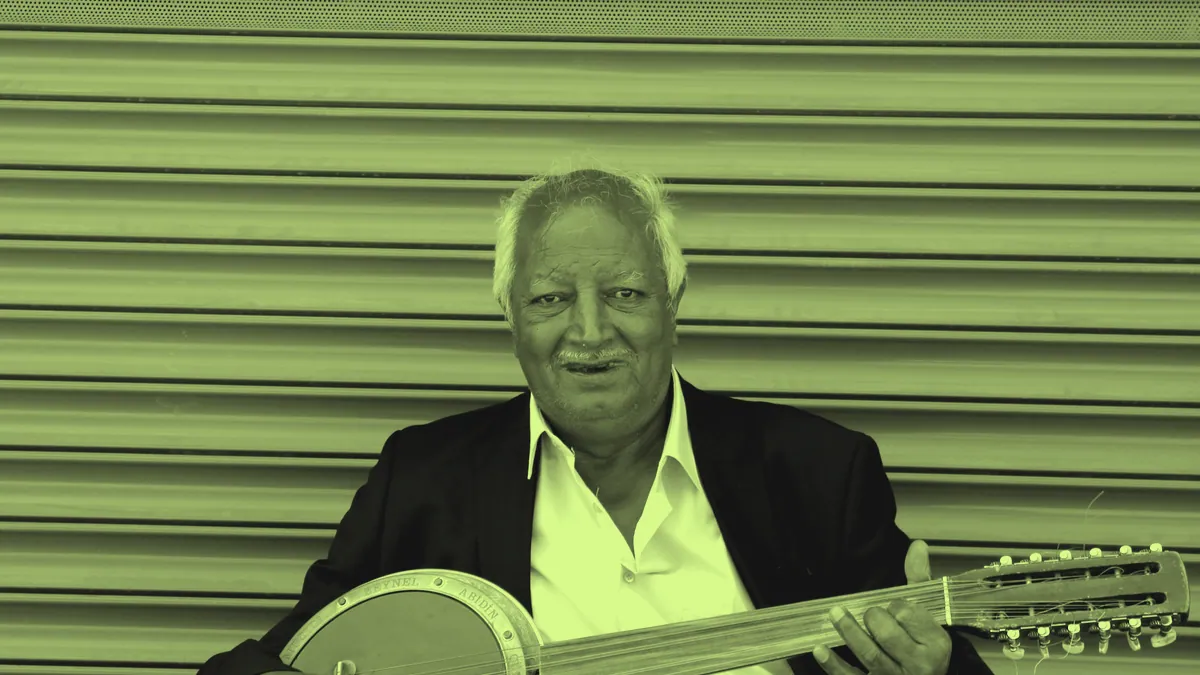
Folk music is music rooted in a community's oral tradition, songs written by and for ordinary people, passed down by ear rather than by written score, usually performed on acoustic instruments like guitar, fiddle, or banjo, and often carrying stories about work, hardship, love, or history that belong to no single credited author.
The word "folk" literally points to its origin: it's the music of "the folk," everyday people, rather than music composed for concert halls or commercial radio.
What actually defines folk music
Folk music's defining trait isn't a specific chord progression or rhythm the way blues or reggae have, it's how the music is made and passed along. Traditional folk songs were often anonymous or loosely attributed, reshaped by whoever sang them next, verse added or dropped depending on the singer and the occasion. That oral-tradition quality means the "same" folk song can exist in dozens of regional versions, each one slightly different, because for most of folk music's history there was no fixed recording to compare against. Musically, folk tends toward simple, singable melodies, acoustic instrumentation, and lyrics grounded in real, specific experience, a work song sung by laborers, a ballad telling a local tragedy, a lullaby, a protest song responding to a specific injustice. That directness and simplicity is also why folk has always traveled so easily between communities and generations; you don't need formal training to learn or pass along a folk song, just a good ear and someone willing to teach it.
A short definition, and where genuine examples come from
If you want a compact definition: folk music is traditional, community-rooted music, transmitted informally, usually acoustic, that reflects the everyday lives of the people who make it, as opposed to music written for commercial or formal concert purposes. Genuine examples span cultures and centuries, Appalachian ballads brought over and reshaped from British and Irish folk songs, African American work songs and spirituals that also fed directly into the blues, Mexican corridos telling regional stories in song, and Irish and Scottish traditional tunes still played at sessions today. What connects all of these is function: folk songs were tools a community used to pass down history, mourn, celebrate, or simply pass the time, long before they were "genres" anyone thought to label.
The 20th-century folk revival
Folk as most American listeners encounter it today is heavily shaped by the mid-20th-century folk revival, a movement that took older traditional songs and brought them to new, often urban and politically engaged audiences. Woody Guthrie's Dust Bowl-era songs of hardship and populism set the tone in the 1930s and 40s. Pete Seeger carried that tradition forward through the 1950s and 60s, often performing older folk songs alongside new ones written in the same spirit. By the early 1960s, the revival had its own commercial center in Greenwich Village, where a young Bob Dylan absorbed traditional folk forms and then rewrote what the genre could do lyrically, eventually plugging in an electric band and pulling folk directly into rock. Joan Baez, with her clear, controlled voice, became one of the revival's defining performers, often pairing traditional ballads with contemporary protest songs. This revival era is why "folk music" today often calls to mind acoustic guitar and socially conscious lyrics specifically, even though traditional folk covers a much wider range of subject matter than protest and politics alone.
How folk connects to country and other genres
Folk and country share deep roots, both draw on the same Appalachian ballad tradition, acoustic instrumentation, and storytelling instinct, which is part of why people who like one so often gravitate toward the other. Country eventually added drums, electric instruments, and a more polished, commercial production model, while folk mostly stayed closer to its acoustic, communal roots, but the overlap in subject matter (hard lives, work, love, home) and melodic simplicity remains obvious. Folk also fed into the blues through shared roots in work songs and spirituals, and it fed into 1960s rock through Dylan and the Byrds' folk-rock experiments. More recently, artists blending acoustic folk instrumentation with electronic or ambient production have kept folk's sound evolving without losing its core identity: real stories, simple arrangement, a voice that sounds like it's talking directly to you.
Why people are drawn to folk music
Part of folk's lasting appeal is exactly what makes people drawn to music generally, just distilled: a strong, specific story and a voice that feels honest rather than performed. Folk songs tend to strip away production polish, which puts the lyric and the singer's delivery front and center, there's nowhere for a weak line to hide behind a big arrangement. That plainness reads as authenticity to a lot of listeners, the same instinct that draws people to country music's storytelling or to a stripped-down acoustic set from an artist who otherwise records with a full band. Folk festivals, from the long-running Newport Folk Festival to countless smaller regional gatherings, exist specifically to keep that live, communal, unpolished quality alive, which is really the whole point of the genre: music meant to be shared in a room, not just consumed through a speaker.
Where to start listening
Woody Guthrie's Dust Bowl Ballads for the genre's protest roots, Bob Dylan's The Freewheelin' Bob Dylan for the revival's turning point, Joan Baez's early albums for the ballad tradition carried into the 1960s, and Nick Drake's Pink Moon for a quieter, more introspective strand of folk from the early 1970s all give a solid, varied entry into the genre's range without straying from its acoustic, story-first core.