What is reggae music? Rhythm, roots and message
What reggae music is
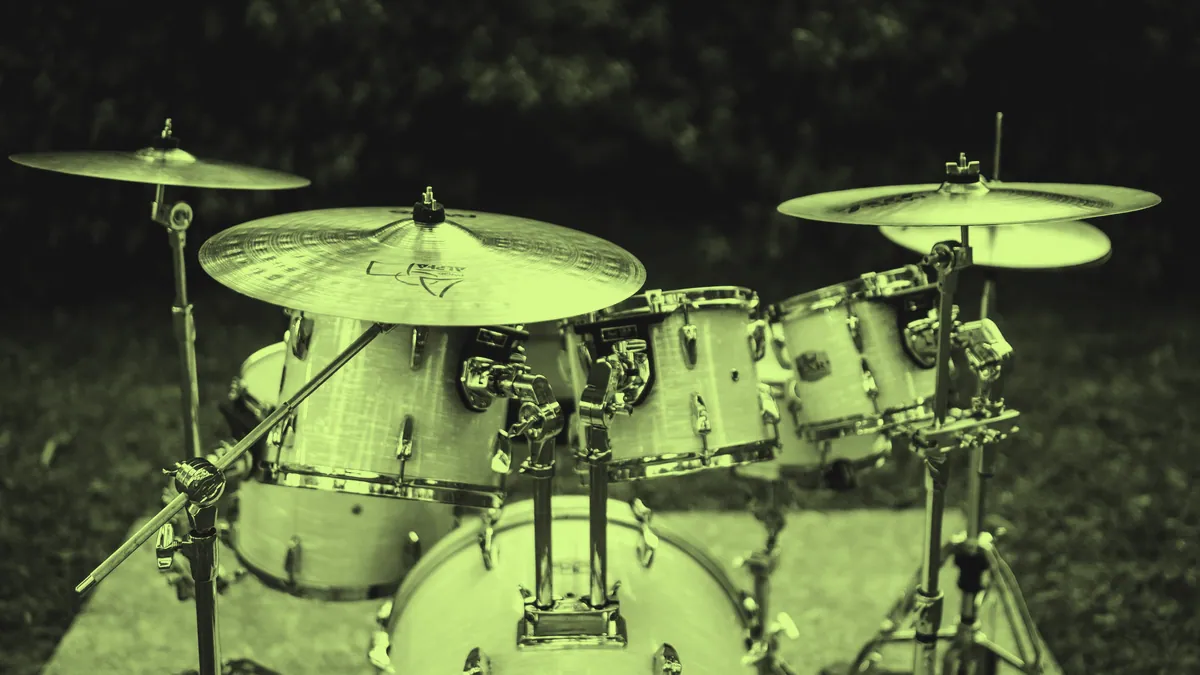
Reggae is a genre that originated in Jamaica in the late 1960s, built on a distinctive rhythmic pattern, guitar or keyboard chords struck sharply on the offbeat, a deep, melodic bassline carrying most of the song's musical interest, and a relaxed, unhurried drum pattern underneath, combined with lyrics that frequently address spirituality, social justice and everyday life in Jamaica.
The rhythm is what identifies reggae almost instantly, even to listeners who've never heard the term explained: musicians call that offbeat chord stab the "skank," and it's the single most reliable fingerprint of the genre.
The offbeat skank: reggae's core rhythm
Most Western popular music emphasizes the downbeat, the "one" you'd tap your foot on. Reggae does the opposite with its guitar and keyboard parts: instead of strumming on the beat, the guitarist and keyboardist strike short, muted chords in the gaps between beats, creating a bouncing, off-kilter feel that pulls the ear toward the spaces rather than the downbeats. Underneath that skank sits the "riddim", Jamaican patois for the instrumental bass-and-drum backing track, which in reggae culture is often treated as a reusable foundation. A single riddim can be recorded once by a house band and then used as the backing for dozens of different vocalists and songs over the years, a practice that's fairly unique to Jamaican music and its offshoots like dancehall.
How melody, harmony and rhythm divide the work in reggae
Reggae is a useful genre for understanding these three musical building blocks because it separates them so clearly. Rhythm is the offbeat skank and the drum pattern, the element that makes reggae instantly identifiable and gives it its rolling, patient feel. Harmony is usually simple: reggae songs often ride on just two or three chords for an entire track, letting the rhythm carry the interest instead of complex chord movement. Melody sits on top, carried by the vocal line and often doubled or answered by the bassline, which in reggae is unusually melodic and prominent compared to most genres, frequently functioning as a second lead voice rather than a background instrument. Where a jazz or classical piece might impress you with harmonic movement, reggae impresses you with rhythmic feel and a bassline you can hum, that's the clearest way to hear the difference between these three elements in practice.
Roots reggae and its message
What's often called "roots reggae", the genre's dominant strain through the 1970s, paired that rhythm with lyrics rooted in Rastafari spirituality, calls for social and political justice, Pan-African consciousness, and commentary on poverty and inequality in Jamaica and beyond. This is the "message" people are pointing to when they ask what reggae is about: it functioned, especially in the hands of an artist like Bob Marley, as protest music and spiritual music at once, carrying real political weight in Jamaica and, eventually, internationally.
Where reggae came from
Reggae didn't appear fully formed, it's the third stage in a lineage of Jamaican dance music. Ska came first, in the late 1950s and early 1960s, an upbeat, horn-driven style with a fast tempo and a clear offbeat guitar chop, itself influenced by American R&B and Caribbean mento and calypso. Rocksteady followed in the mid-1960s, slowing ska's tempo down and giving the bassline more room. Reggae emerged from rocksteady around 1968, slowing the tempo further still and deepening the emphasis on bass and the offbeat skank, with additional influence from Rastafari drumming traditions.
Reggae's defining artists
Bob Marley (both solo and with The Wailers) remains reggae's most internationally recognized figure and the artist most responsible for carrying the genre's message worldwide. Alongside him, Toots and the Maytals helped popularize the "reggae" name itself and its ska-rocksteady roots, Jimmy Cliff brought reggae to film and international audiences, Burning Spear and Peter Tosh carried the genre's political and spiritual weight, and producers like Lee "Scratch" Perry and King Tubby pioneered dub, a remixed, bass-and-effects-heavy instrumental offshoot of reggae that became hugely influential on later hip hop and electronic production.
How reggae relates to the wider genre map
Reggae is usually classified as its own major world-music family alongside R&B, soul, funk and Latin music, sharing some rhythmic and vocal roots with those Black American genres (particularly through R&B's influence on early ska) while remaining musically distinct because of its offbeat-centered rhythm. Its influence runs the other direction too: reggae basslines and rhythms shaped British punk and dub-influenced pop in the 1970s and 80s, and reggae's offbeat skank pattern echoes today in genres as far afield as reggaetón, which borrows reggae and dancehall's rhythmic DNA and filters it through Latin American percussion and Spanish-language vocals.
How to listen for it
The fastest way to train your ear on reggae is to isolate the bassline and the guitar skank separately. Put on a classic roots reggae track and first follow just the bass, notice how melodic and central it is compared to most genres, where bass mostly outlines chords. Then shift your attention to the guitar or keyboard and notice it's landing between the beats rather than on them. Once you can hold both of those patterns in your head at once, reggae's distinctive feel stops sounding mysterious and starts sounding like exactly what it is: a rhythm section built around absence, the empty downbeat, as much as around what's actually played.